Parts Availability in Auto Repair: Why It Happens and How to Plan Ahead
When your vehicle is in the shop after an accident, it is understandable to want it back as soon as possible. A delay can feel frustrating, especially when the repair itself seems straightforward from the outside.
Sometimes, the timeline is affected by parts availability. That does not mean the collision repair process has stalled or that the shop is not paying attention. In many cases, the repair team is waiting for the right part to arrive, confirming fitment, or working through insurance approval steps.
At Freedom Collision Center, the goal is to keep your auto body repair moving while ensuring the final repair is safe, accurate, and completed with the right parts for your vehicle. Here is why parts delays happen, what they can affect, and how you can plan after an accident.
Why Parts Availability Can Affect Repair Timelines
Modern vehicles are more complex than older vehicles. Many cars now include sensors, cameras, radar systems, specialty materials, and model-specific components. Even a bumper or mirror may include electronics that must fit and function correctly.
Parts availability can also change based on demand. Commonly damaged items such as bumpers, headlights, mirrors, sensors, and radiators may be in demand at many repair shops at the same time. When demand is high, some parts may take longer to arrive.
Another factor is the supply process itself. Parts may move through manufacturers, suppliers, warehouses, and delivery networks before reaching the repair facility. If one step slows down, the shop may have to adjust the repair timeline.
Small differences between vehicles can matter, too. The model year, trim level, package, and specific options on your car can change which part is needed. A part that looks similar may not be the correct part for your vehicle.
Safety is also part of the process. Some parts must meet exact fitment requirements, and certain repairs may need calibration or additional checks. Rushing the process or using the wrong part can create problems later.
Common Parts That Are More Likely to Be Delayed
Some parts are more likely to affect collision repair timelines because they are commonly damaged, vehicle-specific, or tied to safety systems.
Common examples include:
- Headlights and taillights, especially LED or advanced assemblies
- Sensors, cameras, and radar units
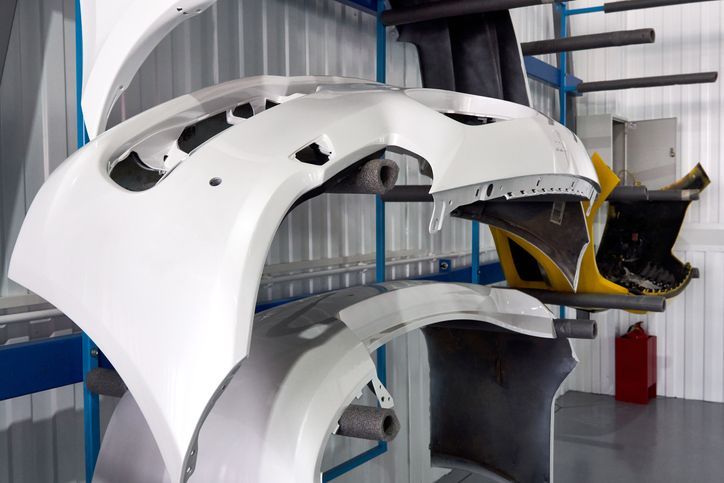
- Bumpers and bumper components
- Mirrors and mirror electronics
- Structural components, depending on the vehicle and damage
- Specialty trim pieces, clips, and smaller hardware that still need to fit correctly
Even a small missing part can slow down reassembly if it is needed for the vehicle to be repaired properly.
OEM vs Aftermarket vs Recycled Parts: How Availability Can Differ
When sourcing parts, there may be more than one type to consider.
- The vehicle manufacturer makes OEM parts. These parts are often preferred for fit and consistency, though availability can vary by part and current supply.
- Third-party manufacturers make aftermarket parts. In some cases, they may be available sooner. Quality and fit can vary by part and supplier, so they need to be reviewed carefully.
- Recycled or used parts may be an option for certain components. These parts come from existing vehicles and can sometimes help keep a repair moving. Availability depends on current inventory and whether the part is appropriate for the repair.
Freedom Collision Center can help explain the options available for your vehicle. The right choice depends on safety, fit, insurance guidelines, customer preference, and what is available at the time of repair.
How Freedom Collision Center Helps Keep Repairs Moving
Parts delays are not always avoidable, but a clear process can help reduce surprises. Freedom Collision Center focuses on planning, communication, and quality throughout the repair.
Here is how the team helps manage parts availability during auto body repair:
- Completes a thorough inspection and repair plan upfront
- Orders parts early once the repair plan is confirmed
- Verifies correct part numbers and fitment for the specific vehicle
- Looks into approved alternatives when appropriate
- Coordinates with insurance when supplements are needed
- Keeps customers updated on what is ordered, what is pending, and what happens next
- Performs quality checks to confirm proper fit and safe performance
The goal is not just to finish the repair quickly. The goal is to finish it correctly.
FAQs About Parts Availability and Collision Repair
Why are car parts backordered?
Car parts can be backordered because of high demand, limited inventory, manufacturing timelines, or distribution delays. Some parts are also very specific to a vehicle's year, trim, and options, which can make them harder to source quickly.
How long can part delays last?
It depends on the part, the vehicle, and supplier availability. Some delays may be short, while others may take longer if the part is limited or sourced from a specific supplier. Freedom Collision Center can share updates as more information becomes available.
Can I choose OEM parts?
In many cases, you can ask about OEM parts. Whether they are used may depend on availability, insurance guidelines, your policy, and your vehicle's repair needs. The team can review your options with you before moving forward.
Will insurance pay for OEM parts?
Insurance coverage for OEM parts depends on your policy, the details of your claim, and your insurer's guidelines. Some policies include OEM coverage, while others may not. Freedom Collision Center can help you understand what is listed on the estimate and discuss available options.
Does a parts delay mean my car isn't safe?
A parts delay does not automatically mean your car is unsafe, but it does mean the repair may not be complete yet. If a part is needed for proper structure, function, fit, or calibration, the vehicle should not be rushed back before the repair is finished.
What can I do to speed up the process?
Schedule an estimate as soon as possible, provide insurance information early, respond quickly to approval requests, and ask about the status of parts. Being reachable can prevent avoidable pauses during the repair process.
How to Plan If You've Been in an Accident
After an accident, a few early steps can help make the repair process smoother.
Start by scheduling an estimate quickly. The earlier your vehicle is inspected, the earlier the shop can identify needed parts and begin the ordering process.
Bring your insurance information, claim details, and any photos you have from the accident. This can help with documentation and may support faster approvals.
Ask about the expected timeline and the current status of the parts. A good repair shop should be able to explain what is known, what is still pending, and what could affect the schedule.
Stay reachable while your vehicle is being repaired. Sometimes additional damage is found after disassembly, and the shop may need your or your insurance company's approval before moving forward.
It is also helpful to think about rental or transportation options early. If your vehicle will be in the shop for several days or longer, having a plan can reduce stress while repairs are underway.
Finally, do not delay repairs if there may be hidden damage. Collision damage is not always visible from the outside. A prompt inspection can help identify issues before they become bigger problems.
Choose a Collision Repair Shop That Communicates Clearly
Parts availability can affect repair timelines, but it should not leave you guessing. With the right process, clear updates, and careful parts sourcing, delays can be managed more effectively.
Freedom Collision Center takes a proactive approach to collision repair and auto body repair. The team works to identify parts early, explain available options, coordinate with insurance, and keep customers informed throughout the process.
If your vehicle has been in an accident, scheduling an estimate is a good first step. A clear repair plan can help you understand what your vehicle needs and what to expect next.

Recent Posts