Getting Your Vehicle Ready for Fall Deer Season Starts Before Autumn
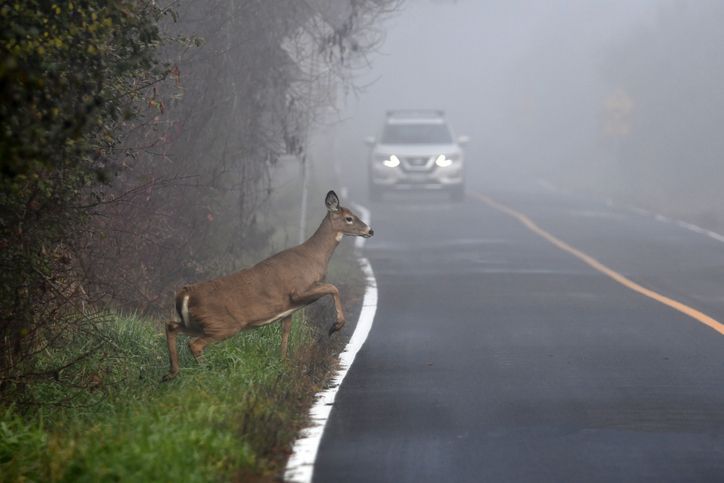
West Virginia drivers know that seeing deer near the road is nothing unusual. As fall approaches, however, encounters can become more frequent and more dangerous. The West Virginia Governor's Highway Safety Program identifies October through December as the peak period for animal collisions, with deer movement increasing during the fall breeding season. The West Virginia Division of Natural Resources also notes that November is the peak breeding season for white-tailed deer.
That makes late summer a good time to start thinking about deer collision prevention in WV. Preparing does not simply mean remembering to slow down when you see a deer crossing sign. Your vehicle's headlights, windshield, tires, brakes, and other components all affect how quickly you can recognize a hazard and respond.
Before shorter fall days and increased deer activity arrive, take some time to make sure your vehicle is ready.
Why Deer Collisions Become a Bigger Concern in the Fall
Deer are particularly active during the fall breeding season, and much of that activity can occur when visibility is already limited. West Virginia officials advise drivers to be especially alert around dawn and dusk and when traveling near wooded areas, green spaces, streams, and ponds.
West Virginia's terrain can add another challenge. Hills, sharp curves, valleys, and narrow roads can limit how far ahead a driver can see. The WVDNR specifically identifies these characteristics of the state's mountainous roadways as factors that can reduce the amount of time motorists have to spot and react to wildlife.
By the time October and November arrive, you want your vehicle ready for those conditions. Preparing in August or September gives you an opportunity to address visibility or mechanical concerns before the highest-risk months.
Start With Your Headlights
Good visibility is one of your most important tools for avoiding a deer collision.
A headlight that is dim, cloudy, damaged, or improperly functioning can reduce your ability to recognize hazards ahead. That becomes particularly important on rural West Virginia roads where streetlights may be limited or nonexistent.
Before fall, check that:
- Both headlights are working properly.
- High and low beams function correctly.
- Headlight lenses are clean and clear.
- Brake lights and turn signals are operational.
- There is no visible damage to your lighting assemblies.
The GHSP recommends using high beams when there is no approaching traffic because they can help illuminate dark roads and make it easier to see the reflective eyes of deer and other animals.
Headlights can also be affected by previous collision damage. If a headlight assembly has been damaged, shifted, or replaced following an accident, do not assume that the vehicle is ready simply because the light turns on. Proper collision repair involves restoring damaged components correctly so the vehicle can perform as intended.
Make Sure Your Windshield Gives You a Clear View
A dirty windshield is inconvenient on a sunny afternoon. On a dark West Virginia road, poor visibility can become much more serious.
Late summer is a good opportunity to inspect your windshield before daylight hours begin getting shorter. Look for cracks, chips, scratches, or other problems that interfere with your field of vision.
Do not forget the components that keep the windshield clear. Check your windshield wipers and washer fluid so you are prepared for rain, road spray, dirt, and other conditions that can suddenly reduce visibility.
You should also keep the inside of the windshield clean. Glare from headlights and low-angle sunlight can become more noticeable when glass has a film or residue on it.
The objective is simple: give yourself as much time as possible to see what's ahead.
Check Your Brakes Before You Need Them
Seeing a deer is only the first part of avoiding a collision. You also need to be able to respond appropriately.
West Virginia officials recommend braking rather than swerving when a collision with a deer appears unavoidable. Swerving can cause a driver to lose control, leave the roadway, enter oncoming traffic, or strike another object.
That makes properly functioning brakes particularly important.
If you've noticed unusual braking behavior, noises, vibrations, or another change in the way your vehicle responds when stopping, have the issue evaluated rather than waiting for fall.
This is also important following an accident. A collision can involve more than visible body damage. Freedom Collision Center provides mechanical repair for mechanical damage resulting from collisions and other accidents.
Don't Overlook Your Tires
Your tires are another important part of maintaining control when something unexpectedly enters the roadway.
Proper tire condition helps your vehicle maintain traction while braking and maneuvering. Before fall, inspect your tires for visible damage and excessive or uneven wear. Tire pressure should also be maintained according to your vehicle manufacturer's recommendations.
Uneven tire wear can sometimes point to another problem rather than simply an aging tire. For example, alignment or suspension issues can affect tire wear and vehicle handling.
This becomes especially important if your vehicle has recently been in a collision. Freedom Collision Center explains in its guide to post-collision vehicle inspections that alignment and suspension problems may remain even when a vehicle appears fine on the surface.
A vehicle that does not handle predictably is not something you want to discover when a deer suddenly enters your path.
Make Sure Previous Collision Damage Has Been Properly Addressed
If you've been putting off repairs from a previous accident, consider having the vehicle evaluated before fall.
Some collision damage is obvious. A crushed bumper, broken headlight, or damaged hood is difficult to miss. Other problems may not be as noticeable.
Modern vehicles can have safety systems, sensors, structural components, suspension parts, and mechanical components affected during a collision. A vehicle can therefore look relatively normal while still requiring professional attention.
Freedom Collision Center's post-collision inspection guidance specifically identifies structural integrity, safety systems, alignment, and suspension among the areas that may need evaluation following an accident.
That is particularly relevant heading into deer season. You want to know that your vehicle is functioning properly before you're placed in a situation where braking, handling, lighting, or other systems become important.
Know When Deer Are Most Likely to Be Around
Vehicle preparation can help, but driver awareness remains essential.
West Virginia officials recommend being especially cautious around dawn and dusk, when deer are more active. Drivers should also pay attention around wooded areas and locations marked with deer crossing signs.
If you see one deer, assume there could be others nearby. Deer commonly travel together, so immediately accelerating after the first animal crosses could put you directly in the path of another.
Freedom Collision Center covers these driving strategies in greater detail in Avoiding Costly Deer Collisions, including what West Virginia drivers should do when encountering deer on or near the roadway.
What Should You Do If a Deer Runs Into the Road?
Even a well-maintained vehicle cannot eliminate every deer collision. Knowing how to respond can help you avoid turning one dangerous situation into an even more serious crash.
If a deer enters the roadway:
- Stay focused on maintaining control of your vehicle.
- Reduce your speed and brake as necessary.
- Avoid making a sudden swerve into another lane or off the road.
- Watch for additional deer following the first animal.
- Use extra caution before continuing.
West Virginia's GHSP warns against swerving to avoid a deer because leaving your lane can result in a collision with another vehicle, roadside object, or other hazard.
If a collision does occur, the GHSP advises moving the vehicle to the shoulder when possible, contacting law enforcement, and remaining inside the vehicle with your seat belt fastened.
What Should You Check After Hitting a Deer?
Deer collisions frequently involve the front of a vehicle, which means damage can extend beyond an obvious dent.
Depending on the location and severity of the impact, damage may involve the bumper, hood, grille, headlights, windshield, body panels, or components underneath them. Modern vehicles may also have safety technology located in areas affected by a front-end collision.
Do not judge the condition of your vehicle based solely on what you can see from the outside.
If you hit a deer, watch for:
- Loose or damaged body panels
- Broken headlights or other exterior lights
- Fluid leaking beneath the vehicle
- Changes in steering or handling
- New warning lights
- Unusual sounds or vibrations
- A hood, bumper, or other component that is no longer properly aligned
If you are unsure whether the vehicle is safe to drive, have it professionally evaluated.
Why August Is a Good Time to Prepare for Deer Season
Deer collision prevention tends to get attention once fall is already underway. Preparing earlier makes more sense.
West Virginia's 2026 deer archery and crossbow season begins September 26, while the state's official highway safety guidance identifies October through December as the peak period for animal collisions.
August gives drivers time to check visibility, address maintenance concerns, and take care of unresolved collision damage before deer activity becomes a larger concern.
A simple late-summer vehicle check should include:
- Headlights and exterior lighting
- Windshield and wipers
- Tires and tire pressure
- Braking performance
- Steering and handling
- Existing collision damage
- Dashboard warning lights
- Previous repairs that may need additional attention
This is especially worthwhile for drivers who regularly travel West Virginia's rural, wooded, or mountainous roads.
Prepare Your Vehicle Before West Virginia Deer Season
You cannot control when a deer enters the road, but you can make sure your vehicle is prepared for the driving conditions that come with fall.
Start before autumn by checking your headlights, windshield, brakes, tires, and overall vehicle condition. Stay especially alert around dawn and dusk, reduce your speed when conditions call for it, and remember that seeing one deer may mean others are nearby.
If your vehicle has existing collision damage or has been involved in an accident and needs professional attention, Freedom Collision Center can help. With locations in Morgantown and Fairmont, Freedom Collision Center provides collision, body, paint refinishing, and mechanical repair services for all makes and models.
Don't wait until peak deer season to address damage that could affect your vehicle on the road. Contact Freedom Collision Center to request an estimate and get your vehicle ready for the months ahead.

Recent Posts