Why Back-to-School Traffic Leads to More Low-Speed Collision Repairs
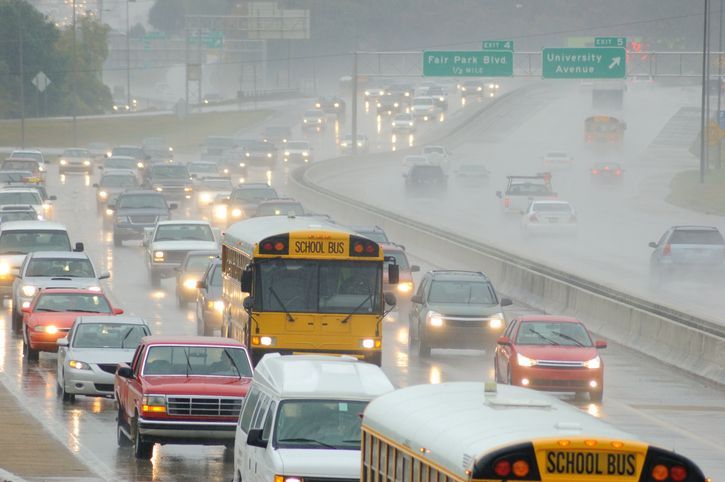
When school is back in session, driving patterns change quickly. Morning commutes overlap with school drop-offs, buses make frequent stops, college students return to the road, and parking lots become busier. In areas like Morgantown, the beginning of the school year can mean more vehicles sharing the road during already busy parts of the day.
With more stop-and-go traffic comes more opportunity for low-speed accidents. A driver may bump another vehicle in a parking lot, get rear-ended at a traffic light, or make contact with another car while navigating a crowded intersection.
Because these accidents happen at relatively low speeds, drivers sometimes assume the resulting damage is purely cosmetic. That isn't always the case. A bumper that looks slightly dented or a vehicle that appears fine from several feet away can have damage that requires professional attention.
Understanding what can happen during a low-speed collision can help you decide when it's time to have your vehicle evaluated by a collision repair professional.
Why Low-Speed Collisions Are Common During Back-to-School Season
Back-to-school season puts more drivers on the road at the same time.
Parents are dropping children off at school. Buses are stopping frequently. Commuters are adjusting to heavier morning traffic. College students are returning to campus, and parking lots that were relatively quiet during summer become crowded again.
These conditions create plenty of situations where vehicles are traveling slowly but operating close together.
Common low-speed accidents include:
- Rear-end collisions in stop-and-go traffic
- Parking lot accidents
- Vehicles backing into one another
- Bumper-to-bumper contact
- Accidents while entering or leaving parking spaces
- Minor collisions at intersections
- Contact while maneuvering through congested areas
The lower speeds involved can make these accidents seem insignificant. However, vehicle damage isn't determined by speed alone.
The location and angle of an impact, the vehicles involved, and the components affected can all influence what needs to be repaired.
Can a Low-Speed Accident Really Damage Your Vehicle?
Yes. Low-speed collisions can cause vehicle damage, although the type and extent of that damage will vary considerably from one accident to another.
One reason drivers underestimate these accidents is that they judge the impact based on the appearance of the exterior.
You may see a scratched bumper, a small dent, or very little visible damage at all. But the exterior panel you see is only one part of the vehicle.
Components underneath or behind the damaged area can also be affected.
That's why evaluating a collision shouldn't simply be a question of, "How bad does it look?"
A better question is, "What was affected by the impact?" Freedom Collision Center discusses this issue further in its article about hidden damage after an accident.
What's Behind Your Bumper?
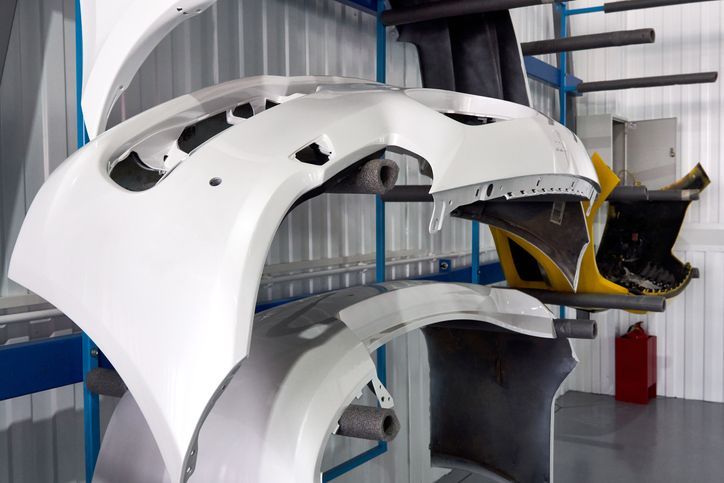
A modern bumper is more than the painted exterior piece visible from outside the vehicle.
Depending on the vehicle, the bumper area can contain or connect to multiple components involved in managing an impact. Newer vehicles may also have electronic technology incorporated into or located near the bumper.
This can include components such as:
- Bumper reinforcement
- Energy-absorbing components
- Mounting brackets
- Sensors
- Wiring
- Lights or reflectors
- Nearby body components
The exact design varies by manufacturer and model.
This is one reason two seemingly similar bumper accidents can require very different repairs. One vehicle might have damage largely confined to the bumper cover, while another could have damage to components behind it.
You generally can't determine the complete extent of that damage simply by looking at the bumper from outside the vehicle.
Modern Vehicle Technology Makes Minor Collisions More Complicated
Vehicle technology has changed collision repair.
Many newer vehicles incorporate driver-assistance and convenience technology throughout the exterior of the vehicle. Depending on the model, this may include parking sensors, cameras, radar units, blind-spot monitoring components, or other equipment.
Some of these components are positioned in areas commonly affected during relatively minor accidents.
That means an impact doesn't necessarily need to leave a large dent to create a problem that deserves attention.
If a sensor itself is damaged or a component affecting its position is moved, professional evaluation may be necessary. Warning lights or messages can provide an obvious indication of a problem, but drivers shouldn't assume that the absence of a dashboard warning means nothing was affected.
Professional collision repair increasingly involves understanding both the vehicle's body and the technology incorporated into it.
Low-Speed Rear-End Collisions Can Cause More Than Bumper Damage
Rear-end accidents are particularly easy to dismiss when both vehicles are traveling slowly.
Perhaps you were stopped at a traffic light and another vehicle rolled into yours. Maybe someone misjudged the distance between vehicles in school traffic.
You get out, look at the bumper, and see only a small mark.
That doesn't necessarily tell you everything you need to know.
The impact may have affected the bumper cover, mounting components, reinforcement, trunk or liftgate area, lighting, sensors, or surrounding body components depending on where and how the vehicle was struck.
If your vehicle begins behaving differently afterward, that deserves attention as well.
Collision repair is about identifying the areas affected by the accident rather than simply fixing the most obvious dent.
Parking Lot Accidents Can Also Create Hidden Damage
School parking lots, shopping centers, apartment complexes, and busy commercial areas create another common setting for low-speed accidents.
Parking lot damage frequently occurs at unusual angles.
Instead of one vehicle striking another directly from behind, a vehicle might back into a bumper corner, scrape along a panel, or strike the side of another vehicle while turning.
These different impact angles can affect different parts of the vehicle.
A parking lot collision could potentially damage:
- Bumpers
- Fenders
- Doors
- Quarter panels
- Headlights or taillights
- Mirrors
- Wheels
- Mounting points
- Sensors or cameras
Even if the vehicle remains drivable, that doesn't automatically mean the damage is limited to appearance.
Signs Your Vehicle Should Be Inspected After a Minor Collision
Some collision damage is obvious. Other problems may become apparent only once you begin driving again.
Pay attention to anything that seems different following an accident.
Possible warning signs include:
- A bumper that is loose or doesn't sit evenly
- Larger or uneven gaps between body panels
- A hood, trunk, or door that doesn't close normally
- Headlights or taillights that have shifted
- Dashboard warning lights
- Parking sensors behaving differently
- New rattling, rubbing, or unusual noises
- Steering that feels different
- The vehicle pulling to one side
- New vibration while driving
- Fluid underneath the vehicle
These symptoms don't all indicate the same problem, and their presence doesn't automatically mean your vehicle has serious damage. They do provide a reason to have the affected area properly evaluated.
Why Visual Damage Doesn't Tell the Whole Story
Collision damage can be layered.
The exterior damage is what you see first. Once damaged exterior components are removed, however, technicians may gain access to areas that couldn't be fully inspected during an initial visual assessment.
This is especially important with bumper impacts.
Imagine looking at a house after a storm. You can inspect what happened from outside, but you might not know everything about the condition underneath until damaged materials are removed.
Collision repair can work similarly.
A technician begins with what can be observed and measured. As the repair progresses and damaged components are disassembled, additional areas become accessible for inspection.
This doesn't mean every minor collision has extensive hidden damage. Many do not. It means the extent of the repair should be based on what actually happened to the vehicle rather than assumptions based only on appearance.
Should You Get an Estimate After a Minor Accident?
If your vehicle has been damaged, getting a professional collision repair estimate can help you understand what is involved in restoring it.
An estimate isn't simply about putting a dollar amount on a dent.
The repair facility needs to identify the damaged areas, determine appropriate repair procedures, consider which components require repair or replacement, and evaluate related areas that may have been affected.
The process becomes particularly important if you are filing an insurance claim.
Keeping photos and information about the accident can also be helpful. Document visible damage and save information related to the collision and subsequent repairs.
Even when damage appears relatively minor, having accurate information puts you in a better position to decide how to proceed.
Don't Put Off Collision Damage Because the Car Still Drives
A vehicle being drivable and a vehicle being properly repaired are two different things.
Drivers sometimes postpone repairs because the car starts normally, moves normally, and gets them to work.
That doesn't answer whether damaged components need attention.
For example, a loose bumper component may not prevent you from driving. A damaged mounting point may not immediately stop the vehicle. A problem with an exterior sensor might not affect basic operation.
Waiting also doesn't provide additional information about what was damaged.
If you've been in an accident, having the vehicle evaluated gives you a clearer picture of its condition and the repairs that may be appropriate.
What Should You Expect From Professional Collision Repair?
Professional collision repair begins with understanding the damage.
Depending on the accident and vehicle, the repair process can include inspecting the affected area, documenting damage, developing a repair plan, removing damaged components, identifying additional damage, repairing or replacing necessary parts, and completing the procedures required for that particular vehicle.
The goal isn't simply to make the damaged area look better.
A collision repair facility needs to consider how the affected components fit and function together. Freedom Collision Center provides auto body and collision repair services for damaged vehicles.
Collision Repair in Morgantown, WV After a Low-Speed Accident
Back-to-school traffic is a reminder that an accident doesn't need to happen at highway speed to leave your vehicle needing attention.
Parking lot impacts, rear-end accidents, bumper contact, and other low-speed collisions can result in visible and hidden damage. Modern vehicle technology can make these repairs even more involved because sensors and other components may be located in areas affected by an impact.
If you've recently been in a minor accident, don't base your repair decision entirely on how the vehicle looks from the outside.
Freedom Collision Center provides collision repair services for drivers in Morgantown and surrounding West Virginia communities. If your vehicle has been damaged in a low-speed collision, contact Freedom Collision Center to have the damage evaluated and get an estimate for the necessary repairs.

Recent Posts