What Happens Behind the Bumper After a Front-End Collision?
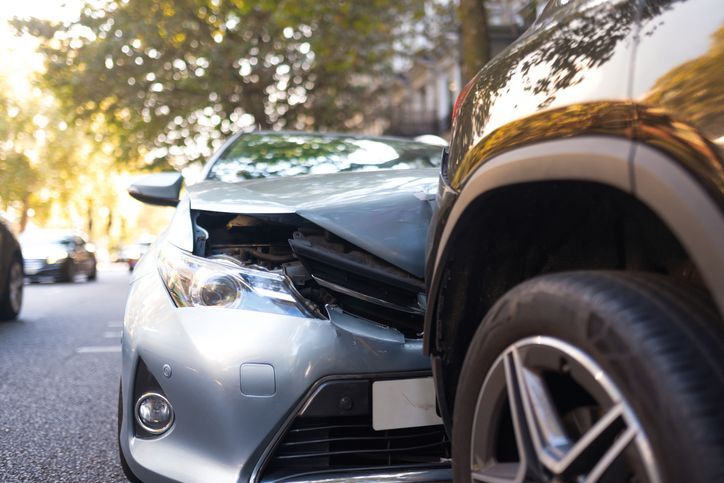
A front-end collision doesn't always leave behind the kind of damage you might expect. Sometimes the bumper is visibly cracked, the hood is bent, or a headlight is broken. Other times, the damage looks relatively minor, with only a small dent, a few scratches, or a bumper cover that no longer fits quite right.
For West Virginia drivers, front-end impacts can happen in several ways, from hitting a deer on a rural road to a low-speed collision in a parking lot. During the fall, increased deer activity and changing driving conditions make these situations especially concerning.
No matter how the accident happens, visible damage is only part of what you need to consider. Several components sit behind the front bumper, and some can be affected without showing obvious signs from the outside.
Understanding what may be damaged and how technicians evaluate it can help you make the best decisions about front-end collision repair.
Your Bumper Is More Than What You See
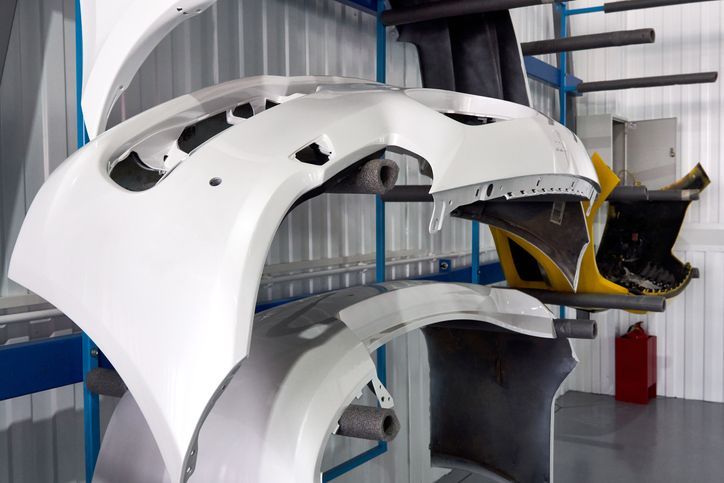
When most people think of their vehicle's bumper, they're picturing the painted exterior panel across the front of the car. This part is called the bumper cover.
On most modern passenger vehicles, the bumper cover is made from flexible plastic. It helps protect components from everyday exposure, provides the vehicle's finished appearance, and accommodates features such as grille openings, lighting, and sensors.
However, the cover is only one part of the bumper assembly.
Behind it, depending on the vehicle's design, you may find an energy absorber, a bumper reinforcement bar, mounting brackets, and other supporting components.
The energy absorber helps manage impact energy in certain collisions. The reinforcement bar helps distribute collision forces into the vehicle's supporting structure.
These components serve different functions and don't necessarily sustain damage in the same way.
For example, a plastic bumper cover may flex inward during an impact and return close to its original shape afterward. Meanwhile, an energy absorber behind it could remain compressed or damaged.
This is one reason technicians don't rely solely on the bumper cover's appearance when evaluating collision damage. A closer inspection may be necessary to determine what happened underneath.
What Can Be Damaged in a Front-End Collision?
The location, angle, and force of an impact all influence which parts of a vehicle may be affected. A collision involving the bumper corner can cause different damage than a direct impact near the center.
Several areas deserve attention during a front-end damage evaluation.
Bumper Reinforcement and Mounting Components
Behind the exterior bumper cover is typically a metal reinforcement bar, often made from steel or aluminum. It helps distribute collision forces through the vehicle's front-end structure.
During an impact, the reinforcement bar, its mounting points, or associated energy-management components may bend, compress, or deform.
Mounting brackets and fasteners can also become damaged. In some cases, these problems cause the bumper cover to sit unevenly or create noticeable gaps between panels.
A reinforcement bar that has sustained damage cannot be repaired or reused automatically. The correct repair decision depends on the component's condition and the vehicle manufacturer's procedures.
Grille and Headlight Assemblies
The grille and headlights are particularly exposed during front-end impacts.
For example, a deer collision may damage the grille, break headlight mounting tabs, or shift nearby components without destroying the bumper cover.
Headlight damage isn't always limited to broken lenses. The housing, internal mounting points, wiring connections, or headlight aiming system may also be affected.
Even when a headlight still turns on, it may not be positioned correctly. Depending on the damage and vehicle design, the assembly may need repair, replacement, or aiming.
Hood and Surrounding Body Panels
A front-end impact can also affect the hood, front fenders, and the panels or supports surrounding the headlights. Technicians look for uneven panel gaps, bent edges, damaged mounting points, and changes in how the hood closes.
The hood latch and its supporting components deserve particular attention. Damage to these parts may prevent the hood from securing properly, even if the hood's exterior appears relatively straight.
Not every panel alignment issue indicates major structural damage, but it's a reason to inspect the underlying supports.
Cooling-Related Components
Behind the grille and bumper area, many vehicles have several important cooling-system components. Depending on the model, these may include the radiator, air-conditioning condenser, cooling fans, hoses, and related mounting supports.
The radiator helps regulate engine temperature, while the air-conditioning condenser releases heat from the A/C system's refrigerant.
A front-end collision can damage these components directly or shift their mounting brackets. A damaged radiator may leak coolant, while a compromised condenser may cause the air conditioning to stop working properly.
Sometimes leaks are immediately noticeable. In other cases, damage may be less apparent until an inspection or system test reveals it. Do not continue driving a vehicle that is overheating or losing coolant until you evaluate the problem.
Structural Areas Behind the Bumper
Some front-end collisions reach beyond exterior panels and bolt-on bumper components. Depending on the vehicle's construction and the impact's severity, damage may extend to the front rails, radiator support structure, or other structural attachment points.
These areas help support vehicle components and manage forces during a collision. You can't confirm structural damage just because a bumper is dented. Likewise, a bumper that isn't severely damaged doesn't rule it out.
Technicians may need to take measurements and compare them with manufacturer specifications to determine whether structural repairs are necessary.
For more information about this part of the repair process, read our article on the role of structural repair in restoring vehicle safety.
Modern Bumpers Can Also Contain Vehicle Technology
Front-end collision repair has become more involved on vehicles equipped with cameras, radar, parking sensors, and advanced driver-assistance systems.
These systems vary significantly by make, model, year, and equipment package. Not every vehicle has the same technology or sensor locations.
Parking sensors, for example, may be mounted directly in the bumper cover. These sensors help detect nearby objects when maneuvering at low speeds.
A collision may damage an individual sensor, its mounting bracket, or the wiring that connects it to the vehicle.
Some vehicles also have forward-facing radar sensors mounted behind the grille, bumper cover, or another part of the front fascia. These sensors may support features such as adaptive cruise control and automatic emergency braking.
Cameras may also be present in the front grille or elsewhere on the vehicle. When these components are affected, repairing the exterior damage may not be enough.
A sensor can remain physically intact but become misaligned if its mounting position changes. Depending on the manufacturer's requirements, repairs may involve diagnostic scans, sensor replacement, aiming, or calibration.
Calibration establishes or verifies the correct positioning and operation of certain electronic systems. It must follow the procedures specified for the particular vehicle.
Bumper cover repairs may also require extra care when radar sensors operate through the cover material. Some manufacturers restrict repairs, material thickness, or refinishing in designated sensor areas.
That is why an appropriate collision repair evaluation considers more than whether the bumper looks right after repairs.
Can You Have Hidden Damage With Only a Small Dent?
Yes. A small dent or scratch on the front bumper can exist alongside damage to components behind the bumper cover. Visible damage doesn't always indicate how much of the underlying assembly was affected.
When a vehicle strikes an object, the impact force transfers through the contact areas. The bumper cover, absorber, reinforcement, and supporting components may respond differently based on the impact.
For example, a low-speed collision may push the bumper cover inward far enough to damage an energy absorber or mounting bracket. Afterward, the cover may return close to its original shape, leaving only a small mark.
An angled impact can also concentrate damage in an area that's hard to see from the outside.
However, a small dent doesn't automatically mean there is significant hidden damage. Some impacts cause only cosmetic damage. The key point is that you shouldn't assume either outcome without an appropriate inspection.
Why Disassembly May Be Necessary
An initial estimate often begins with a visual inspection of the vehicle's exterior.
Technicians may identify obvious damage, evaluate panel alignment, check visible mounting points, and review the driver's concerns. When there is reason to suspect damage behind the bumper, removing the bumper cover or related components may be necessary.
This process lets technicians examine areas not accessible during the initial inspection, including the absorber, reinforcement, brackets, supports, and wiring.
Additional damage discovered after disassembly can change the repair plan and estimate. That doesn't necessarily mean something was missed during the first inspection. Some damage cannot be verified until the covering components are removed.
Repairing vs. Replacing a Damaged Bumper
One of the first questions drivers ask after an accident is whether they can repair the bumper or need to replace it. The answer depends on which bumper components are damaged and the manufacturer's approved repair procedures.
A bumper cover with minor surface scratches or a repairable deformation may be a candidate for repair and refinishing.
However, replacement may be necessary if the plastic is torn, mounting areas are compromised, or the damage is in a location where the manufacturer restricts repairs.
It's also important to distinguish the exterior bumper cover from the reinforcement and energy-absorbing components behind it.
Even if the cover is repairable, another part of the bumper assembly may need replacement.
During an evaluation, technicians consider the type and extent of damage, component material, available repair procedures, sensor locations, and the cost of repair compared with replacement.
Two vehicles involved in similar-looking collisions may require different repairs because their designs and equipment are different.
For a closer comparison, read our guide to bumper repairs and when to fix or replace damaged components.
When Should You Get Front-End Damage Inspected?
If your vehicle has been in a front-end collision, it makes sense to have the affected area evaluated, especially if the impact was more than a light surface scrape.
Visible signs that warrant attention include cracked bumper covers, loose trim, uneven panel gaps, broken headlights, or a hood that doesn't open and close normally.
Also watch for changes in how the vehicle operates after the collision.
Unusual noises, fluid leaks, steering changes, warning lights, or parking sensors that no longer function as expected may indicate problems that need further evaluation.
Not all collision-related damage produces an immediate warning light or an obvious driving symptom.
If the vehicle is overheating, leaking significant fluid, has compromised steering, or the hood won't latch securely, avoid driving it until it's assessed. Towing may be the appropriate option.
A professional inspection can help identify the affected areas and determine whether further disassembly, measurements, or diagnostic procedures are needed.
The goal isn't to assume the worst after every impact. It's to understand the vehicle's actual condition before deciding which repairs are necessary.
Professional Front-End Collision Repair in West Virginia
Whether you've hit a deer, had a parking lot collision, or been in another front-end accident, understanding the full extent of the damage is a key part of the repair process.
A bumper that looks cosmetically damaged may need further inspection, while another vehicle with similar visible damage may need relatively straightforward repairs.
At Freedom Collision Center, we provide collision repair services for drivers in West Virginia, with locations serving Morgantown and Fairmont.
If your vehicle has been in a front-end collision, contact Freedom Collision Center to request a repair estimate and have the damage evaluated.
A proper assessment can help determine what was affected, what repairs are needed, and which manufacturer procedures apply to your vehicle.

Recent Posts