When Does Your Vehicle Need ADAS Calibration After a Collision?
After a collision, repairing a damaged bumper, grille, or windshield may not be the only work your vehicle needs. Many newer cars, trucks, and SUVs have cameras and radar sensors that support driver-assistance features. If an accident or repair affects these components, you may need additional inspections or calibration.
ADAS calibration after a collision may be required when an impact or repair affects a camera, radar sensor, mounting position, or another component covered by the vehicle manufacturer's calibration procedures. Not every accident requires calibration. The decision depends on the vehicle's equipment, the damage involved, and the repairs performed.
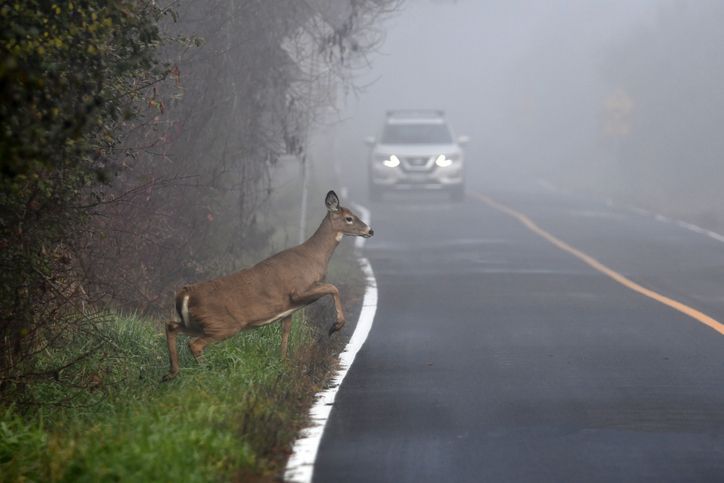
For drivers in Morgantown, Fairmont, and surrounding West Virginia communities, understanding these requirements can help you make informed decisions after an accident, including a front-end collision with a deer during the fall driving season.
Does Every Collision Require ADAS Calibration?
No. Not every collision requires ADAS calibration.
Whether calibration is necessary depends on the vehicle's make, model, year, installed technology, and the type of damage or repairs involved.
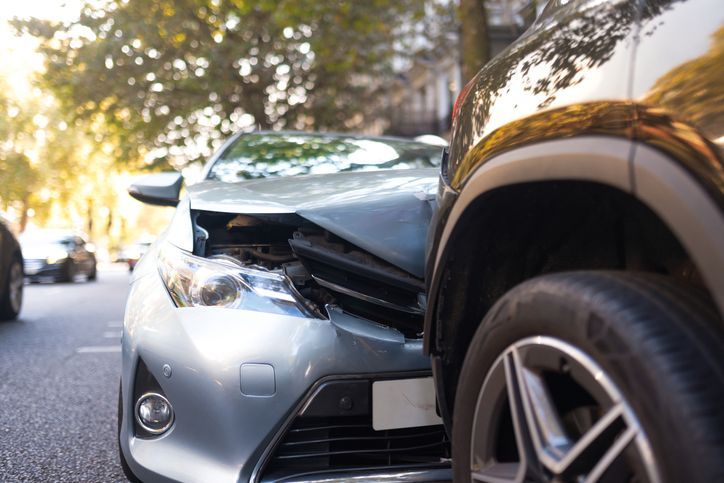
For example, an accident that does not affect driver-assistance components or trigger a manufacturer-required procedure may not require calibration. However, repairs involving a front bumper, windshield-mounted camera, sensor bracket, or certain suspension and alignment components may create additional requirements.
The key is following the vehicle manufacturer's repair information rather than assuming calibration is always needed or never necessary.
Even when a sensor appears undamaged, the repair plan may need to account for its position, mounting components, and applicable manufacturer procedures.
Where Are ADAS Cameras and Sensors Located?
Advanced Driver-Assistance Systems (ADAS) use cameras, radar, and other sensors to help drivers monitor their surroundings and respond to certain driving situations.
Depending on the vehicle, these systems can support features such as automatic emergency braking, forward collision warning, adaptive cruise control, lane departure warning, lane-keeping assistance, and blind-spot monitoring.
Some systems warn the driver about a potential hazard, while others can assist with braking or steering under specific conditions. They are designed to assist attentive drivers, not replace them. Sensor locations vary by vehicle, but several common areas are especially relevant during collision repair.
Windshield cameras: Many vehicles have forward-facing cameras mounted near the rearview mirror. These cameras may help identify lane markings, vehicles, and other objects ahead.
Front bumper and grille areas: Radar sensors may be positioned behind the grille, bumper cover, or other designated front-end components. Depending on the vehicle, they may support adaptive cruise control or forward collision warning.
Rear bumpers and surrounding areas: Some vehicles have radar or other sensors near the rear bumper to assist with blind spot monitoring, parking, or detecting approaching vehicles while reversing.
Side mirrors: Certain vehicles use mirror-mounted cameras to support driver-assistance or surround-view systems.
These locations matter because they often overlap with areas damaged in an accident.
A vehicle may need more than a replacement bumper or windshield if nearby sensors, wiring, mounting brackets, or electronic components have also been affected. For additional background, read our article on how vehicle safety features respond during a collision.
How Can a Collision Affect Sensor Alignment?
A collision can affect ADAS components even when the sensors themselves do not appear broken.
Cameras and radar sensors are designed to operate from specific positions and orientations. If an impact moves a mounting bracket or shifts a nearby component, the sensor may no longer be aligned as intended.
For example, a front-end collision might damage the grille and bumper cover without obviously damaging a radar unit behind them. However, the impact could affect the radar's mounting bracket or surrounding structure.
Consider that possibility when evaluating the damage and determining the necessary repairs.
Collision damage or repair work can affect driver-assistance systems in several ways.
Direct damage to a sensor or its mounting components. An impact can damage a camera, radar unit, electrical connection, housing, or bracket. A damaged component may need repair or replacement before you can consider calibration.
Changes to sensor positioning. A bracket or mounting point may shift during a collision, affecting the direction from which a sensor collects information.
Bumper and grille repairs. Removing, replacing, repairing, or refinishing components near radar equipment can involve manufacturer-specific restrictions or calibration requirements.
Windshield replacement. On vehicles with windshield-mounted cameras, replacing the glass may require camera calibration according to the manufacturer's procedures.
Suspension and alignment repairs. Certain vehicles may require additional ADAS procedures following work that changes vehicle alignment or other operating characteristics.
These situations do not automatically mean every affected vehicle needs calibration. They illustrate why the correct repair procedures depend on the specific vehicle and work performed.
Consider a vehicle that strikes a deer on a West Virginia road in November. The visible damage may appear limited to the front bumper or grille, but a complete repair assessment may also need to consider any radar equipment located behind those components.
A sensor doesn't have to be visibly broken for its mounting position or calibration requirements to matter.
What Happens During ADAS Calibration?
ADAS calibration establishes or verifies a camera or sensor's required alignment or reference settings according to the vehicle manufacturer's specifications.
The goal is to ensure that the system has the correct reference information for its intended operation.
The process depends on the vehicle and the particular driver-assistance system.
One method is static calibration. This may involve positioning specialized targets at carefully measured distances and angles while the vehicle remains stationary. The procedure may require specific equipment, a suitable work area, and precise vehicle setup.
Another method is dynamic calibration. This involves driving the vehicle under specified conditions so the system can complete its required calibration process. Depending on the manufacturer, those conditions may include particular speeds, road markings, or other environmental requirements. Some vehicles require both static and dynamic procedures.
Calibration is not simply resetting a dashboard warning or clearing a diagnostic code. It follows specific instructions developed for the vehicle and the system involved.
Calibration also cannot repair a physically damaged camera, radar unit, or mounting bracket. Any damage that affects the component's condition or positioning must be addressed as the manufacturer requires.
How Is ADAS Calibration Different From Diagnostic Scanning?
Diagnostic scanning and ADAS calibration are two different parts of modern vehicle repair.
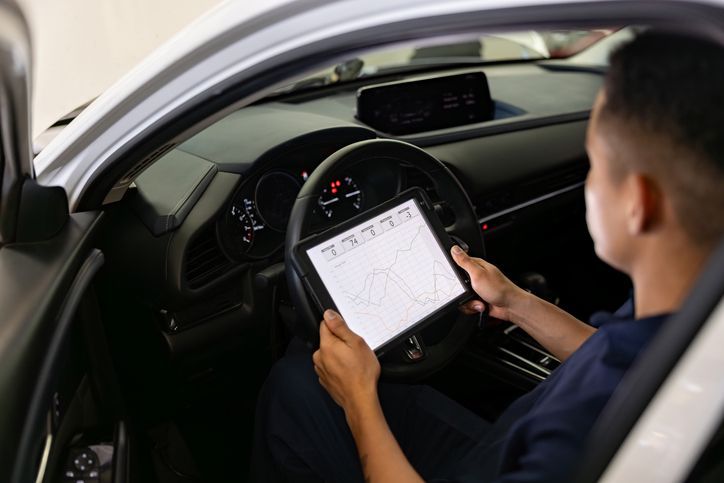
A diagnostic scan communicates with the vehicle's electronic systems to identify stored diagnostic trouble codes and other information that may help technicians evaluate potential problems.
A pre-repair scan can help identify electronic faults before repairs begin. A post-repair scan can help identify remaining or newly detected faults after the work is completed.
ADAS calibration, on the other hand, involves following the required procedure to establish or verify a camera or sensor's alignment or reference settings.
Completing a diagnostic scan does not automatically mean a sensor has been calibrated. Likewise, performing calibration does not replace other necessary diagnostic or repair procedures.
Depending on the vehicle and the repairs involved, you may need both scanning and calibration.
I-CAR industry guidance on ADAS collision repair diagnostics emphasizes identifying vehicle-specific requirements and following manufacturer procedures throughout the repair process.
Can Calibration Be Needed Without a Warning Light?
Yes. A vehicle may require ADAS calibration even when no dashboard warning light is illuminated.
Some manufacturers require calibration for specific repair operations, such as removing, replacing, or adjusting a component. These requirements may apply whether or not the vehicle displays a warning message.
A vehicle can also appear to drive normally after an accident while still needing a closer evaluation of affected components.
For example, if a windshield-mounted camera requires a manufacturer-mandated calibration procedure after glass replacement, the absence of a warning light does not eliminate that requirement.
Similarly, a front bumper repair may involve sensor mounting areas that the manufacturer requires you to evaluate.
Drivers should not rely on dashboard warning lights or the vehicle's exterior appearance as the only indicators of whether additional inspections or procedures are needed.
If a driver-assistance feature behaves unexpectedly after a collision, don't rely on it until a qualified repair professional has evaluated the concern.
What Should You Ask Your Collision Repair Shop?
After an accident, you do not need to know every technical detail of your vehicle's driver-assistance systems. However, asking a few practical questions can help you better understand the repair process.
- Could the collision have affected any cameras, radar sensors, or mounting components? The answer depends on your vehicle's equipment and where the damage occurred.
- Do the planned repairs require diagnostic scanning or ADAS calibration? Ask how the repair facility determines which manufacturer-specific procedures apply.
- If calibration is required, how will it be handled and documented? Understanding the required procedures and how they're recorded can help you make informed repair decisions.
These questions are especially useful when a collision involves the front bumper, grille, windshield, side mirrors, or other areas where driver-assistance equipment may be installed.
A repair assessment should consider the vehicle's actual equipment, the damage found, and the manufacturer's repair procedures, not just the most visible damage.
Collision Repair in Morgantown and Fairmont, WV
Modern collision repair involves more than restoring a vehicle's exterior appearance. Depending on the accident, the repair process may also need to address structural components, mechanical damage, electronic systems, and driver-assistance technology.
That is particularly important when damage occurs near cameras, radar equipment, or other components that support everyday driving.
At Freedom Collision Center, drivers in Morgantown, Fairmont, and surrounding West Virginia communities can discuss their vehicle damage and learn more about available auto body and collision repair services.
Whether your vehicle was damaged in a deer collision, a rear-end accident, or another type of crash, understanding the full extent of the damage is an important part of planning repairs.
Concerned About Hidden Damage After a Collision?
A damaged bumper, grille, or windshield may hide more than you can see. If your vehicle was in an accident, contact Freedom Collision Center in Morgantown or Fairmont to discuss a collision damage assessment and the repair procedures that may apply to your vehicle.
Knowing whether you need additional scanning, inspection, or ADAS calibration can help you make the best decisions about your vehicle's repair.

Recent Posts