Collision Repair From Estimate to Completion
When you’re involved in a car accident, the stress and confusion can be overwhelming. One of the first things you’ll need to do after ensuring everyone’s safety is to get your vehicle repaired. Understanding the collision repair process can help ease some of that anxiety, making it easier to navigate the steps involved. This guide will take you through the entire process, from getting an initial estimate to driving away in your fully restored vehicle.
Initial Estimate
The first step in the collision repair process is obtaining an initial estimate. When you bring your damaged vehicle to a collision repair shop, the technicians will conduct a thorough examination to assess the extent of the damage. This examination often involves both a visual inspection and, in some cases, the use of specialized diagnostic tools.
During this stage, the repair shop will provide you with an estimate detailing the costs associated with repairing your vehicle. It’s important to understand that this initial estimate is just that—an estimate. While it offers a general idea of the repair costs, additional issues may be uncovered once the vehicle is disassembled, which could lead to supplemental charges. Therefore, the final cost may differ from the initial estimate.
If you are working with an insurance company, they may require this estimate before approving the repairs. Some repair shops, like Freedom Collision Center, have direct relationships with major insurance companies, which can streamline the approval process.
Insurance Approval
Once you have the initial estimate, the next step involves getting approval from your insurance company. After the collision repair shop completes their inspection, they will typically take detailed photos of the damage and submit these along with the estimate to your insurance provider.
The insurance company will review the information and decide whether to approve the repairs. In some cases, they may send an adjuster to inspect the vehicle themselves. This step is crucial as it determines whether the repair costs will be covered and to what extent. The insurance approval process can vary in length depending on the complexity of the damage and the policies of your insurance provider.
It’s worth noting that reputable repair shops like Freedom Collision Center are often pre-approved by major insurance companies, which can expedite the approval process and eliminate the need for multiple estimates.
Vehicle Disassembly and Blueprinting
Once the insurance company approves the repair, the next step is to disassemble the vehicle. This is a critical phase in the repair process, as it allows technicians to identify any hidden damage that wasn’t visible during the initial estimate.
During disassembly, the vehicle’s components are carefully removed to expose the underlying structure. Technicians then create a detailed blueprint or repair plan that outlines all necessary repairs. This blueprint serves as a roadmap, ensuring that every aspect of the vehicle is restored to its pre-accident condition.
In some cases, additional damage may be discovered during disassembly, which could require further communication with the insurance company and potential adjustments to the repair estimate. However, this thorough approach ensures that no detail is overlooked, providing peace of mind that your vehicle will be fully restored.
Auto Body Repairs
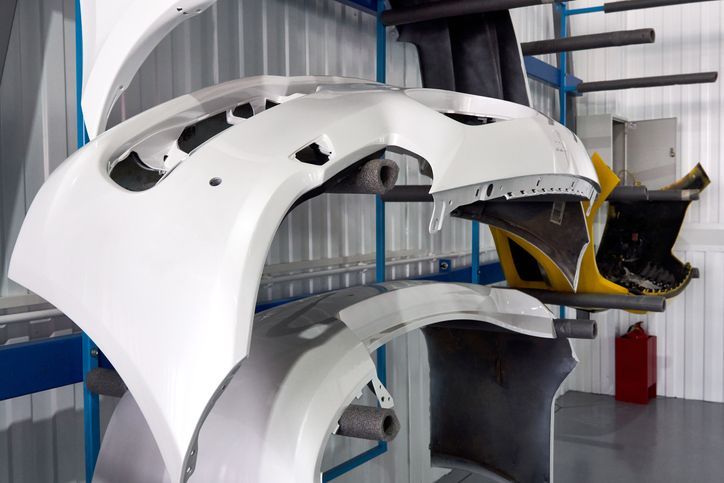
With the blueprint in hand, the collision repair shop begins the actual repair work. This stage involves addressing the structural and cosmetic damage to your vehicle. Depending on the severity of the damage, this could include straightening the vehicle’s frame, replacing damaged panels, and repairing or replacing other critical components.
At Freedom Collision Center, technicians use advanced tools and equipment to ensure that all repairs are done to factory specifications. This means that your vehicle’s structural integrity is restored, and all safety features are fully functional. The goal is to bring your vehicle back to its original condition, or even better, ensuring it is safe and reliable for the road.
Paint Preparation and Refinishing
Once the structural repairs are complete, the next step is to prepare the vehicle for painting. This process is essential to ensure that the new paint adheres properly and matches the rest of the vehicle. The repair area is first sanded down to remove any rust or old paint, and then it is primed and sealed.
Color matching is a critical aspect of this stage. At Freedom Collision Center, technicians use computerized color matching systems to ensure that the new paint perfectly matches your vehicle’s original color. This attention to detail is what ensures that the repaired areas are indistinguishable from the rest of the vehicle.
After the paint is applied, the vehicle goes through a curing process to ensure the paint is fully set and durable. Finally, a clear coat is applied to protect the paint and give it a glossy, factory-fresh finish.
Reassembly and System Checks
With the painting process complete, the vehicle is reassembled. All previously removed components are carefully reinstalled, and technicians conduct a series of system checks to ensure everything is functioning correctly. This includes checking the vehicle’s electrical systems, safety features, and mechanical components.
Reassembly is a meticulous process that requires attention to detail to ensure that all parts are correctly aligned and fully operational. The goal is to ensure that the vehicle not only looks as good as new but also operates safely and efficiently.
Detailing and Quality Control
Before the vehicle is returned to you, it undergoes a thorough detailing and quality control inspection. The detailing process involves cleaning both the interior and exterior of the vehicle to remove any dust, dirt, or debris that may have accumulated during repairs.
The quality control inspection is a comprehensive check to ensure that all repairs have been completed to the highest standards. Technicians will examine the vehicle for any imperfections in the paint job, ensure that all systems are functioning correctly, and take the car for a test drive to confirm that it handles properly.
This final inspection is crucial to ensuring that the vehicle meets the stringent quality standards set by Freedom Collision Center. Only once the vehicle passes this inspection is it deemed ready for delivery.
Final Inspection and Delivery
The final step in the collision repair process is the delivery of your vehicle. When you arrive to pick up your car, the repair shop will walk you through the work that was done, explain the final bill, and provide you with any necessary paperwork. They will also answer any questions you may have about the repairs.
At Freedom Collision Center, customer satisfaction is a top priority. Before you drive away, the team will ensure that you are fully satisfied with the repairs and that your vehicle is in optimal condition. With your car looking and driving as good as new, you can hit the road with confidence, knowing that your vehicle was repaired by experts who care about quality and safety.
Recent Posts